Enter a keyword below to search for articles and products.
How can you help your kitten live a long and healthy life? Although you can’t predict the health of your cat with certainty, you can increase the probability of both her general health and a long life through proper care that begins as soon as you bring her home. Your veterinarian can advise further on these five key considerations for taking care of your kitten.
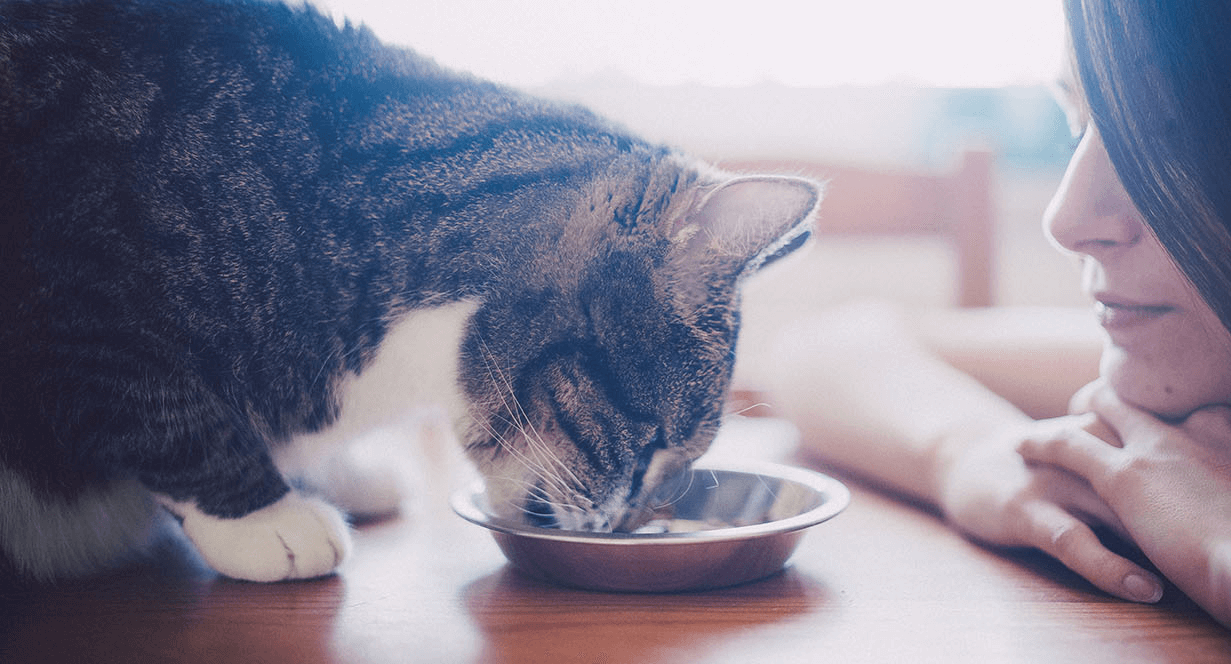
Feed your kitten high-quality food designed to meet nutritional needs during specific stages of her life. Your kitten’s nutritional requirements will depend on her life stage and lifestyle. No matter the life stage, cats are carnivores and require nutrients from animal protein and fat for optimal health.
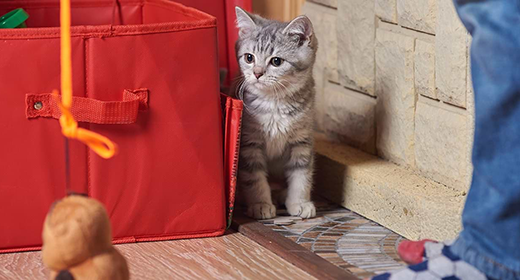
Prevent obesity with prudent portion control and frequent play activities. Exercise relieves stress, reduces aggression and keeps cats alert. Just 15 to 30 minutes of play a day can help keep your cat in shape and strengthen the bond between the two of you. In addition, getting your kitten used to playtime early on will help you get used to playing with your cat routinely.
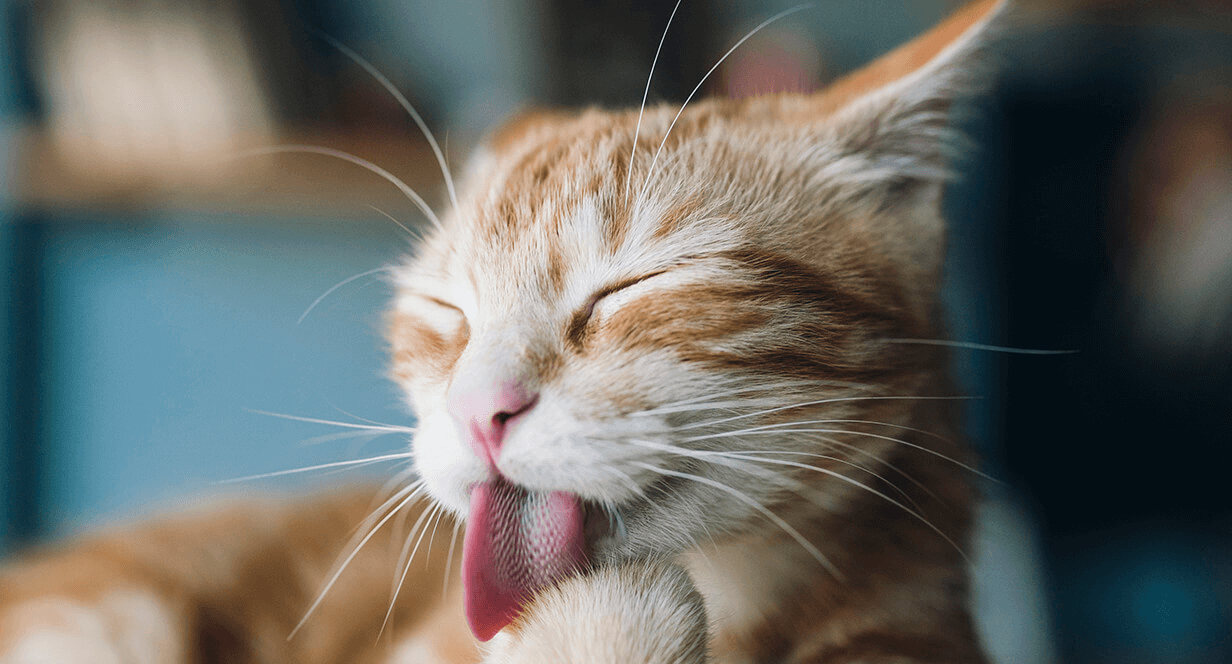
Keep your kitten inside to help reduce the risk of illness or injury from accidents, fights and disease. As your kitten gets older, you can help avoid the stress of harassment from other animals by keeping your kitten inside. You should make your home safe by protecting your cat from environmental dangers, such as household cleaners and secondhand smoke. Cats frequently groom themselves with their tongues, and over time, even small amounts of harmful chemicals can have adverse effects.
Groom your kitten early and often to get her used to brushing. When brushing, check for bumps or abnormalities, and promptly seek veterinary advice if you discover anything suspicious. Take your cat to the veterinarian at least annually for a complete physical exam, and follow your veterinarian’s advice regarding preventive health care measures.
Your veterinarian may also recommend periodic professional cleaning of your cat’s teeth, which may preserve years of her life.
Last but not least, give your cat lots of love! Despite some cats’ aloof demeanor, all cats thrive on affection. Both you and your cat will reap the benefits of spending quality time together.
It was once thought that one year in the life of a cat was equivalent to seven years of a human life. Below is a revised way of looking at how a cat year stacks up to a human year.
| Cat Age | Human Age |
| 6 months | 10 years |
| 8 months | 13 years |
| 10 months | 14 years |
| 1 year | 15 years |
| 18 months | 20 years |
| 2 years | 24 years |
| 3 years | 28 years |
| 4 years | 32 years |
| 5 years | 36 years |
| 6 years | 40 years |
| 7 years | 44 years |
| 8 years | 48 years |
| 9 years | 52 years |
| 10 years | 56 years |
| 11 years | 60 years |
| 12 years | 64 years |
| 13 years | 68 years |
| 14 years | 72 years |
| 15 years | 76 years |
| 16 years | 80 years |
| 17 years | 84 years |
| 18 years | 88 years |
| 19 years | 92 years |
| 20 years | 96 years |
| 21 years | 100 years |



You’ve probably heard that cats are aloof, but that’s not always the case. They can be affectionate, playful and highly attached to their owners, much like a dog. It’s just that cats are at a disadvantage versus dogs because they don’t have the facial physiology that lets their canine counterparts “smile” all the time.
So, don’t be fooled — cats are not only happy, but also immensely talented at bringing joy to their humans. In the market for crazy antics one minute, soft cuddles the next? Cats are a low-risk, high-yield investment in complex personalities.
With any cat adoption, you are literally saving that animal’s life. Plus, you’re supporting the organization you adopt from, which in turn allows them to help more animals in need, so you’re basically a hero. And all these good feelings happen before you even bring your new kitty home!
Who couldn’t use another friend? Especially one that’s a furry, adorable biscuit factory. Research shows that having a cat can reduce stress and increase confidence, and it’s hard to beat quality time with a cat for anxiety relief. Journalist Jane Pauley once said, “You cannot look at a sleeping cat and feel tense.”
Adopting a cat can be a great move for children, too. There’s no better way to nurture values such as responsibility and empathy than with a frolicky, purrmotored pal. A survey of parents found that children who had bonded with a feline friend enjoy a higher quality of life. (They wanted to survey the cats too, but there was a sunny spot on the carpet that needed to be napped in, so …)
Cats are amazing. They entertain us by defying gravity and contorting themselves into spine-twisting postures. An inquisitive meow or a nudge with their head can totally banish a bad mood. They are the perfect companion to all. If you’re thinking about adding a cute, flu'y, serotonin-boosting kitty cat, this is your sign: Do it!