Enter a keyword below to search for articles and products.
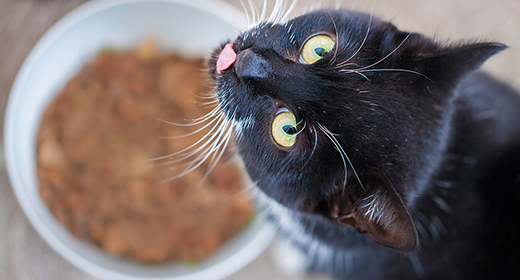
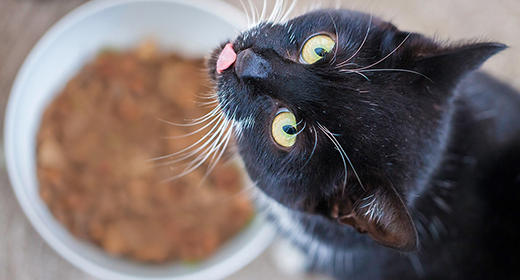
Okay, we admit it: We’re kind of obsessed with cat food. And while we’ve done tons of research to create the world’s best single-serving menu items, all it really took was observing the obvious. Here are five basic facts about cat food you didn’t know you already knew.
We presented a neighbor’s 12-year-old tabby with both a Perfect Portions™ fresh salmon meal and yesterday’s salmon leftovers from a can. Guess what happened? She sniffed us out and chose fresh. Is it because her sense of smell is more powerful than a human’s? Or was it completely obvious that the leftovers had mixed with the scent of the blue cheese and pea soup sitting next to the can in the fridge?
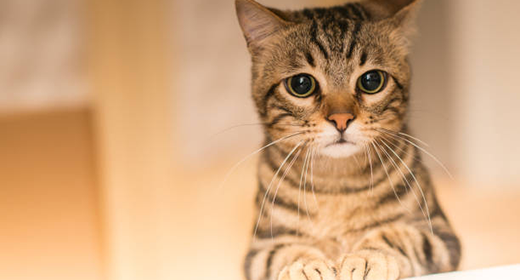
How would you like to have tuna salad for lunch? And then for dinner? And then for breakfast? Don’t assume your cat doesn’t mind just because her taste buds are different — feeling superior is a cat’s job. Your job is to give them variety, which is hard when you have leftovers coming out of your ears. Try a multipack of Perfect Portions™ for the ultimate in no-leftovers variety.
Why your cat judges you
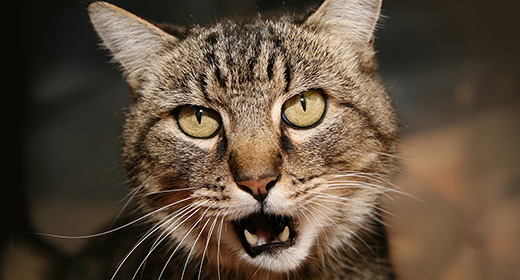
A focus group of four people at a recent dinner party revealed that opened cat food smells less than good. It’s especially embarrassing if you're the host and the smell keeps wafting over your mashed potatoes.
What cat food smells like when it's left over in your fridge
Canned food has been around for more than 100 years, so it seemed high time for a design update. When we reimagined canned cat food, we decided to get rid of the can altogether in favor of Perfect Portions™, with no-mess, no hassle containers. The results have been, uh, uncanny. Everyone agrees we should can the can. For good.
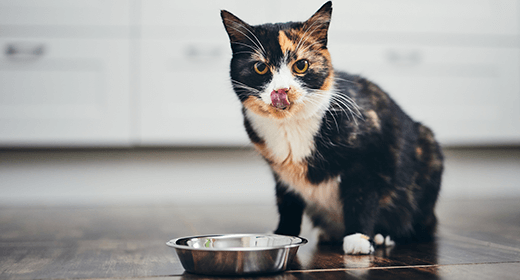
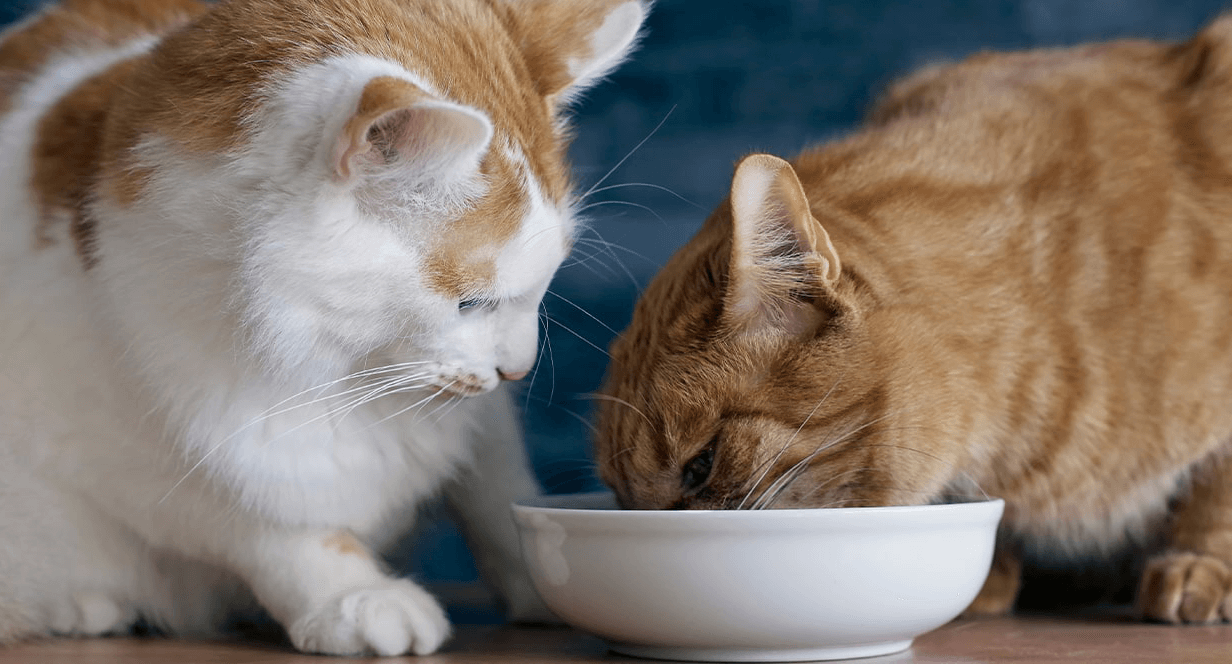
With food this good, lunchtime for cats can be just as tempting as Thanksgiving dinner for humans. Cats can have problems maintaining a healthy diet — and sticking to healthy portions — just like we do. It’s why we’ve taken the guesswork out of meals with Perfect Portions™. Each pack contains just enough (and not too much) every time. So don’t be fooled by cat food cans with 1½ servings. Unless you plan on training your cat to use the treadmill.
Cats after mealtime on regular canned food
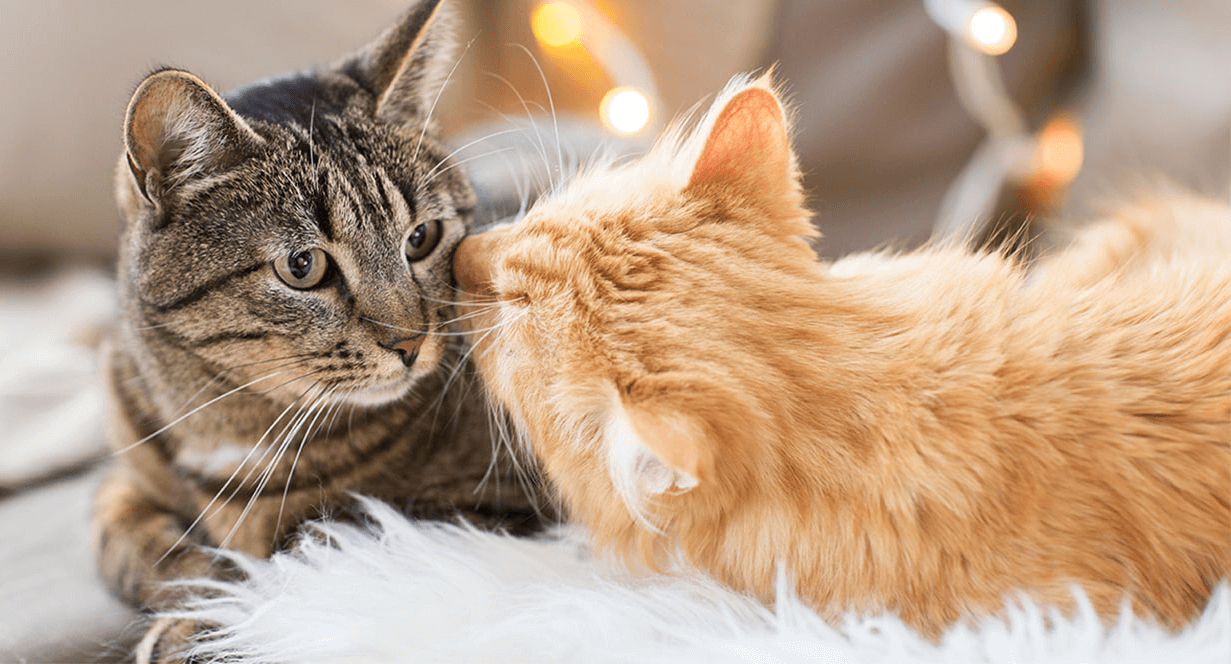
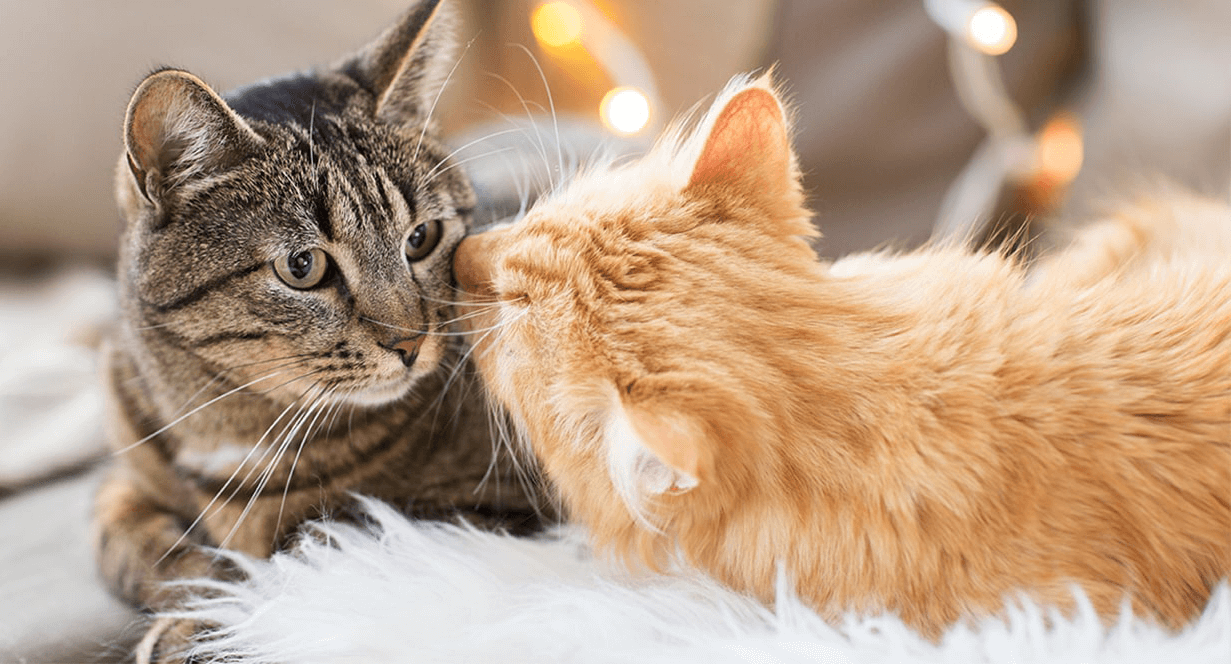
As a cat owner, you know a few things for certain: that cats are wonderful and amazing creatures, that nothing beats a purring cat on a warm lap, and that one day, sadly, your cat will leave you for good. Realizing that your cat is nearing the end of their life is never easy, but hopefully these tips and insights will help you navigate through this emotional, often painful process.
Letting your cat go is the most difficult decision a pet owner has to make. Like people, cats’ bodies eventually begin to decline due to age. To help you make the most informed decision for your cat, here are some signs it may be time to say farewell:
As you weigh your options, make sure to reach out to your vet, as well as friends or family who have lost a pet:
While you won’t be able to prevent their eventual departure, you can still ensure your cat’s final days are comfortable and full of love.
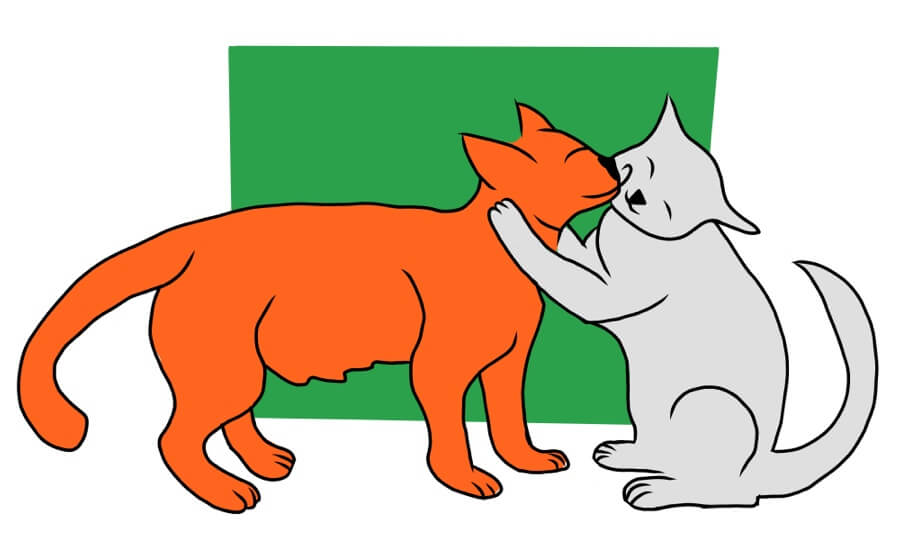
Take extra time to remind your cat of how much they mean to you. Give them extra ear skritches and cuddles, and say anything you want to tell them.
Older cats tend to be thin, making it harder for them to stay warm. Make sure they’re able to catnap in toasty areas: near heating vents, in a sunny spot or a cozy cat bed, or — their favorite — your lap.
Your senior cat isn’t as athletic as they once were, so give them an assist with steps or ramps so they can still hang out in their favorite elevated places. Also make sure they can easily get to the litter box. Getting a lower-sided box or putting one on every floor of your home helps reduce the risk of accidents.
Cats of a certain age have more difficulty grooming themselves. You can help by gently brushing them more often and clipping their nails. This not only keeps them looking as beautiful as ever, but is also a great way to spend some quality time together.
Cats are creatures of habit, so now is not the time to make any drastic changes in their routine or introduce a new pet to the household. They love the life you’ve created for them and will be more relaxed if their established routines continue uninterrupted.
Allowing family members — including other pets — a chance to say farewell will go a long way toward easing their grief. Be very clear about your decision so everyone knows you have your cat’s best interests at heart.
It’s OK to feel sad when a beloved cat moves on to the big catnip field in the sky. Pets are members of the family, after all! Don’t be afraid or ashamed to grieve your loss. To help ease those feelings, try some of these suggestions.
Your pet may have passed, but all of those wonderful memories are yours forever. That cute thing they did with their head, their funny meow, how they always insisted on sitting on your computer … don’t be afraid to reminisce and enjoy those memories.
Some people find holding a memorial provides a sense of closure and pays tribute to everything their pet meant to them. Cremation is common with pets, so you can put their remains somewhere on your property where they’ll be close. Feel free to make a speech or raise a toast — whatever you want to honor their memory.
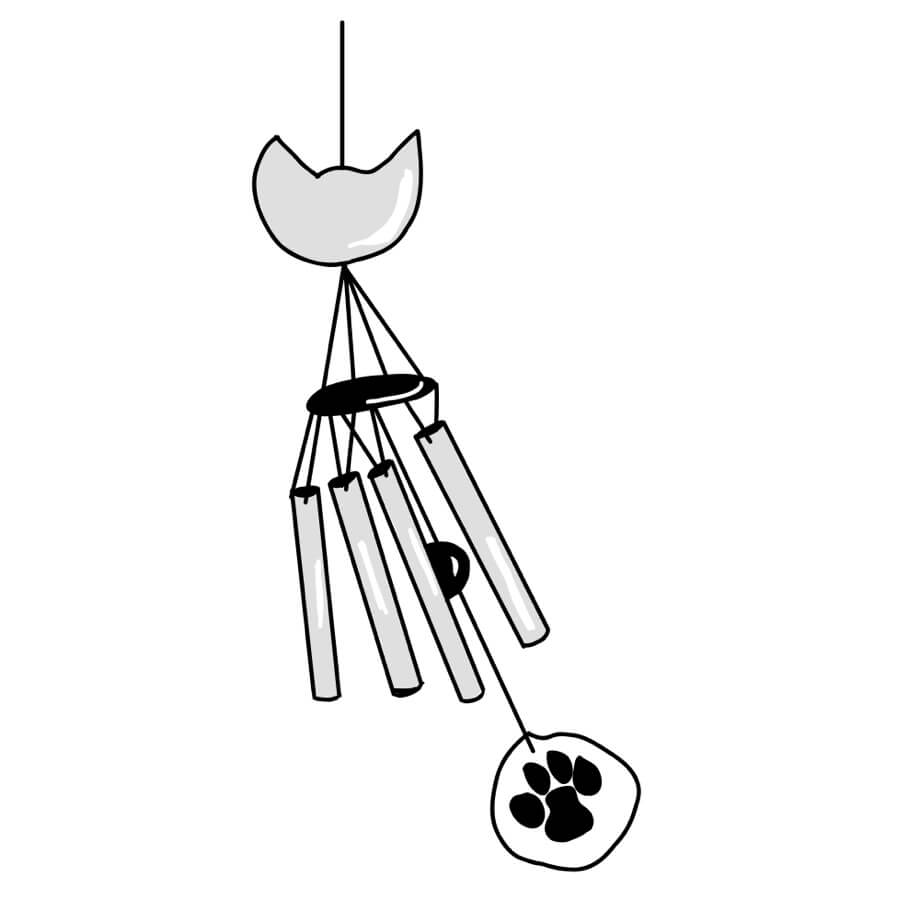
There are a number of ways you can keep your cat’s presence around your place to help evoke happy memories. Many vet offices offer to make an impression of your cat’s pawprint in clay as a keepsake. Maybe you’d like to hang some pictures or keep their collar or favorite toy on a bedside table. Even more important is the fact that all those memories will live on forever in your heart.