Enter a keyword below to search for articles and products.
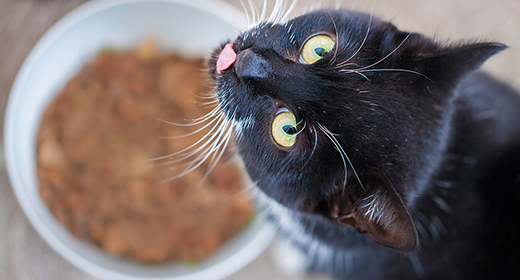
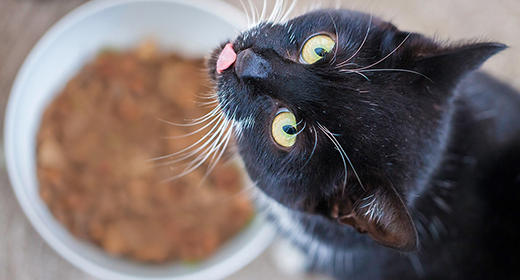
Okay, we admit it: We’re kind of obsessed with cat food. And while we’ve done tons of research to create the world’s best single-serving menu items, all it really took was observing the obvious. Here are five basic facts about cat food you didn’t know you already knew.
We presented a neighbor’s 12-year-old tabby with both a Perfect Portions™ fresh salmon meal and yesterday’s salmon leftovers from a can. Guess what happened? She sniffed us out and chose fresh. Is it because her sense of smell is more powerful than a human’s? Or was it completely obvious that the leftovers had mixed with the scent of the blue cheese and pea soup sitting next to the can in the fridge?
How would you like to have tuna salad for lunch? And then for dinner? And then for breakfast? Don’t assume your cat doesn’t mind just because her taste buds are different — feeling superior is a cat’s job. Your job is to give them variety, which is hard when you have leftovers coming out of your ears. Try a multipack of Perfect Portions™ for the ultimate in no-leftovers variety.
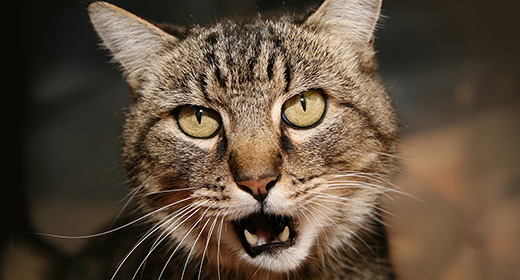
Why your cat judges you
A focus group of four people at a recent dinner party revealed that opened cat food smells less than good. It’s especially embarrassing if you're the host and the smell keeps wafting over your mashed potatoes.
What cat food smells like when it's left over in your fridge
Canned food has been around for more than 100 years, so it seemed high time for a design update. When we reimagined canned cat food, we decided to get rid of the can altogether in favor of Perfect Portions™, with no-mess, no hassle containers. The results have been, uh, uncanny. Everyone agrees we should can the can. For good.
With food this good, lunchtime for cats can be just as tempting as Thanksgiving dinner for humans. Cats can have problems maintaining a healthy diet — and sticking to healthy portions — just like we do. It’s why we’ve taken the guesswork out of meals with Perfect Portions™. Each pack contains just enough (and not too much) every time. So don’t be fooled by cat food cans with 1½ servings. Unless you plan on training your cat to use the treadmill.
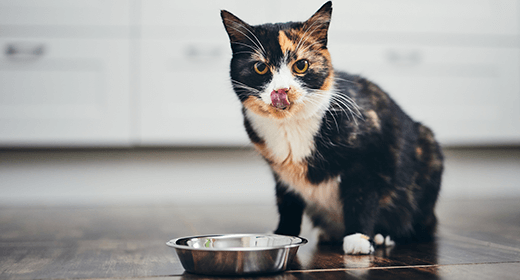
Cats after mealtime on regular canned food
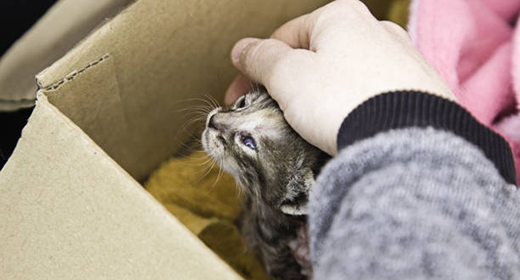
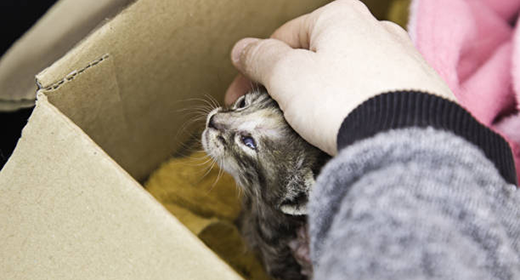
Providing your kitten with the proper nutrition goes way beyond just putting fresh food in a clean bowl. Your kitten’s nutritional needs will change as their body develops through adolescence and into adulthood. Proper nutrition during these critical growth periods will help your kitten mature into a strong, healthy adult cat.
The nutritional needs of kittens and cats are vastly different, and it’s critical to give your pet premium age-appropriate nutrition. Here’s everything you need to know about kitten food vs. cat food and how to feed your growing kitten.
After kittens are weaned, they enter a stage of rapid growth, which lasts until they’re 6 months old. They need a high-quality, balanced diet with every bite packed with the nutrients and energy needed to sustain such rapid development. The best choice is a premium kitten food with animal-based proteins. It should be highly digestible, nutrient-dense and designed to meet kittens’ unique nutritional needs, such as IAMS™ PROACTIVE HEALTH™ Mother And Kitten.
Kittens require twice as much energy as adult cats on a per-pound basis. But their smaller mouths, teeth and stomachs limit the amount of food they can digest during a single meal. It’s best to divide the total daily food amount recommended on the kitten food packaging into three or four smaller meals.
As kittens approach adult size, their nutritional requirements begin to change again. Their rate of growth begins to slow, activity levels may decline and they can start eating fewer, larger meals each day. During this stage, kittens begin to look like adults, but they are still growing and need the special nutrition found in kitten food.
During the adolescent growth stage, many cat owners are tempted to change a kitten’s food for variety. But cats do not get bored with a consistent diet of high-quality dry food, and giving a kitten “human food” and table scraps can lead to undesirable behaviors, such as begging or stealing food.
Additionally, feeding homemade diets, food formulated for adult cats or supplementing an already complete and balanced diet with vitamins could cause nutritional disorders.
At about 12 months of age, your kitten will reach their full adult size. Your young adult cat no longer needs calorie-dense kitten food to fuel growth and is ready for a diet of adult cat food.
When your cat is about 12 months old, it’s time to switch to a maintenance formula adult cat food, such as IAMS™ ProActive Health™ Healthy Adult. At this age, cats no longer need the extra calories and nutrients found in kitten food. As with any change in a cat’s diet, remember to gradually transition from kitten food to adult food over a period of several days.
To avoid intestinal upsets, make the change from a kitten formula to an adult diet over a period of four days with the following method:
Because cats generally eat only what they need, free-choice feeding is fine for most cats. (With free-choice feeding, you can provide food to your cat around the clock and let them eat when and how much they need.) Indoor cats that don’t get much exercise, however, may overeat if fed free-choice. For them, portion-controlled feeding twice a day is a better routine.
To determine how much food to give your cat, check the recommendations of the pet food manufacturer on the label. Use the guidelines, monitor your cat’s weight and body condition during the transition, and adjust feeding portions if necessary. If your cat is gaining or losing weight and shouldn’t be, slightly adjust their daily intake and weigh them again the following week.
Make sure to choose an adult cat food that provides the same high-quality nutrition as a premium kitten food. Downgrading to a basic nutrition brand at this stage of your cat’s life may upset their digestive system and won’t provide them with the same type of nutrition they were raised on. Premium foods like IAMS™ are formulated to meet all of your cat’s needs and provide additional benefits. They’re specifically designed to provide your cat with a formula that features:
All of these premium features add up to a happy, healthy cat. With premium dry cat food, you can expect to see these important indicators of good health:
Founded on decades of research, premium formulas from IAMS™ help maintain your cat’s health and help provide her with the nutrition she needs for a long life.